Showing posts with label raccoons. Show all posts

05 September 2016

HEALTH - Rabies Numbers Continue to Grow in Ontario

Six new cases of rabies were reported last week by the Ministry of Natural Resources and Forestry in Ontario, plus the rabid cat confirmed by Hamilton public health.

Five cases were from the Hamilton area - three raccoons, one skunk and one red fox - and one raccoon from Haldimand-Norfolk County.

Strain typing has not been performed on the red fox but it is assumed to be raccoon strain due to its location.

The total number of animals infected with raccoon strain rabies since December 2015 is now 180, along with two cases of fox strain rabies.

According to the Ministry, the raccoon strain has been found in the following animals:
  • 125 raccoons
  • 53 skunks
  • 1 cat
  • 1 red fox

You can see the spread of the disease by visiting the Ontario government website, which displays a series of graphics beginning December 15th that show where rabies cases have been found along with the vaccine baiting areas.

29 August 2016

HEALTH - Hamilton Cat Tests Positive for Rabies

Hamilton Public Health Services was notified on August 25, 2016 by Haldimand-Norfolk Health Unit that a cat that may have originated in a rural area of Ancaster tested positive for rabies.

They are asking anyone who may have lost, abandoned, fed, or came in contact with a grey adult male cat in the area of Alberton, from south of Highway 403 into Brant County, between August 10 and August 20 to contact them.

  • City of Hamilton residents can call 905-546-2489.
  • Brant County residents can call 519-753-4937.

It’s possible the cat is Hamilton’s first case of domestic rabies in over 20 years.

The Canadian Food Inspection Agency is conducting tests to determine if this case is related to the raccoon strain of rabies found in the wild animal population in the Hamilton area.

Results of the tests are expected next week.

After more than a decade without raccoon strain rabies, Ontario has seen cases throughout 2016.

To combat the outbreak, the Ontario Ministry of Natural Resources and Forestry is planning a large scale aerial baiting operation in late August early September.

They will be distributing 500,000 more rabies vaccine baits by Twin Otter aircraft.

This is in addition to the 900,000 oral vaccine baits that have been distributed by the ministry in southern Ontario since December 2015 when the first case of raccoon rabies was confirmed.

As of August 23rd, 170 cases of raccoon strain rabies and 2 cases of fox strain rabies have been found in the province.

Raccoon strain rabies by area:
Hamilton 150
Haldimand 10
Niagara 5
Brant 5

In these cases, rabies was found in 118 raccoons and 52 skunks.


Hamilton Public Health is encouraging residents to:
  • Always keep a safe distance from wild and unknown animals. Rabies can make animals aggressive or it can make them appear sick, scared, or friendly.
  • Avoid contact with live or dead animals including raccoons, skunks, other land animals and bats, and unknown dogs and cats. Do not feed, help, or relocate any wildlife or keep them as pets.
  • Keep your pets supervised.
  • Vaccinate your pets against rabies, and keep rabies vaccinations current for dogs and cats to protect them, and prevent any spread to people. Visit their website for information on low cost rabies vaccine clinics.
  • Report animal bites and scratches to public health by calling 905-546-2489. Wash wounds with soap and water and seek medical attention.
  • If you see sick, injured or strange behaving wildlife report it to City of Hamilton Animal Services 905-546-2489.




04 July 2016

HEALTH - 6 Months in and Ontario Still Seeing Rabies Cases

Since the first rabies case was discovered in December 2015, 3,200 animals have been tested for the disease and over 800,000 oral vaccines have been distributed in Southern Ontario.

The Ministry of Natural Resources and Forestry has been aggressively fighting the outbreak and reports 134 cases of raccoon strain rabies and two fox strain to June 30th.

Of the raccoon strain cases, 122 have been discovered in Hamilton, five in Haldimand, four in Niagara and three in Brant.

The disease has infected 89 raccoons and 45 skunks.

Pet owners are encouraged to make sure their pets are up to date on their rabies vaccinations - which is required by law in the province.

In Canada the most common carriers of rabies are raccoons, skunks, foxes and bats.

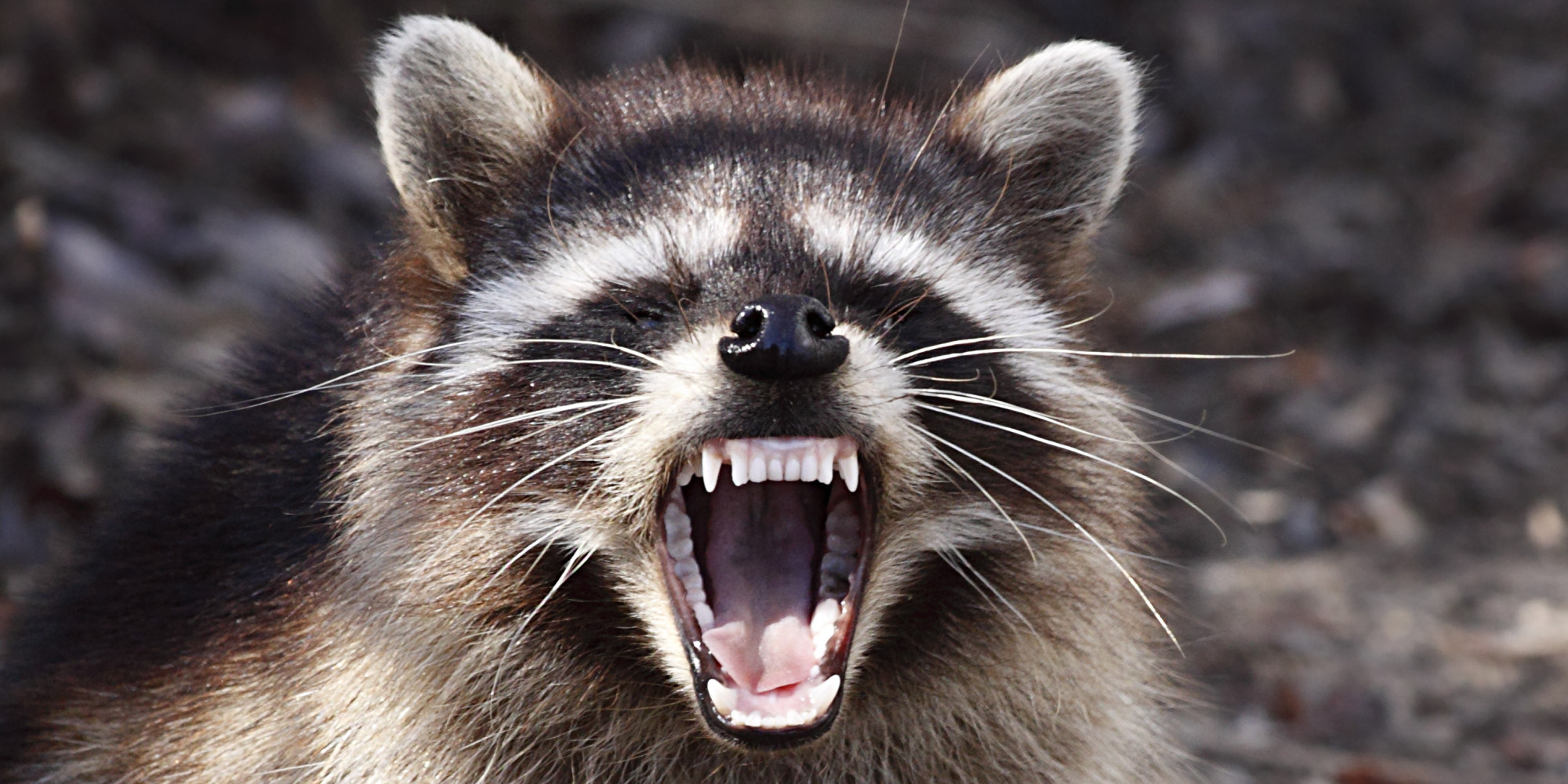
Rabid animals may be extremely excited, attack objects or other animals, froth at the mouth, or bite at anything. 


01 April 2016

Ontario Rabies Control Operations Begin April 1st

The Ontario Ministry of Natural Resources and Forestry announced the plan for their annual rabies control operations - to reach wild raccoons, skunks and foxes and prevent further spread of raccoon and fox strain rabies in the province.

Ontario had been free of raccoon strain rabies for over ten years and fox strain for two, but since December 2015 seventy-six raccoon rabies cases have been reported.

Rabies control activities for the 2016 spring season include:
  • Aerial baiting in a small area of Perth County – projected to start April 1
  • Aerial baiting in the Golden Horseshoe area – projected to start April 1 and be completed by the end of April
  • Hand baiting of urban areas – projected to start April 4 and continue throughout the spring and early summer
  • Control measures at the point of infection – only to take place in the event of a raccoon or ‘Ontario fox strain’ rabies incident.


Summer management activities include:
  • Aerial baiting in a small area in eastern Ontario along the St. Lawrence River and ground baiting (within urban areas if required) – scheduled for mid-August
  • Aerial baiting within a 50 km radius of confirmed raccoon strain rabies cases - scheduled for mid-August
  • Ground and aerial urban and rural baiting in Niagara area – scheduled for late August
  • Aerial baiting within a 50 km radius of confirmed fox strain rabies cases - scheduled for mid-September
  • Control measures at the point of infection – only to take place in the event of a raccoon or ‘Ontario fox strain’ rabies incident.

The khaki-green coloured bait being dropped from the aircraft has a label with a toll-free telephone number (1-888-574-6656)  and “Do not eat” warning on the exterior of the bait. A plastic package containing the liquid rabies vaccine is embedded in the centre. If found, the bait should not be touched, but left for raccoons, skunks and foxes to consume.

For more information you are encouraged to visit the Rabies in Ontario website or contact the rabies hotline at 1-888-574-6656.

27 March 2016

Ontario Rabies Update

This week, the Ontario Ministry of Natural Resources and Forestry updated the number of rabies cases in Ontario to 70 since the first case was discovered in December 2015.

This includes 51 raccoons and 19 skunks infected with the raccoon rabies strain.

Rabies (Lyssavirus) is an infectious disease that affects the central nervous system in mammals. It’s transmitted through the saliva when the animal “sheds” the virus. Rabies is not transmitted through the blood, urine, or feces of an infected animal, nor is it spread airborne through the open environment. Because it affects the nervous system, most rabid animals behave abnormally.

Historically, bats, foxes and skunks are the most common carriers of rabies in Canada, with coyotes and raccoons added to this list in the United States. It is believed this rabies outbreak in Ontario was caused by a raccoon that rode into Canada on a semi-truck from the US.

09 March 2016

Raccoon Rabies Found in More Ontario Skunks and Raccoons


For the first time in over a decade, a raccoon tested positive for rabies in Ontario last December.

Since 2005, Ontario had successfully kept rabid raccoons from entering the province by using bait with rabies vaccines along areas where they often crossed over from the U.S.

It’s believed the infected animal rode into the province on the back of a tractor trailer.

"I was really disappointed," Chris Davies, the province's top wildlife researcher who's been credited with keeping the virus outside of Ontario's borders for more than a decade, told CBC. "We knew if we found one, we'd find more."

More infected animals have been discovered - a total of 58 to date - and the baiting program was stepped up with hundreds of thousands of the tasty vaccines being dropped by hand, helicopter and airplane.

The government of Ontario is keeping citizens apprised of reported rabies cases and general rabies information on their website. This week reporting 12 new cases - 10 skunks and two raccoons.


All mammals are susceptible to rabies, which is usually passed through a bite and infected saliva. The best way to protect your pet is to ensure vaccinations are up to date.

14 December 2015

Deadly Rabies Strikes Ontario Racoon Population


Last week the Ontario Ministry of Natural Resources and Forests (MNRF) announced the identification of 3 more rabies positive raccoons in Hamilton and expanded baiting operations in that area. Earlier today a fifth case was reported in this same area. If a person contracts rabies and does not receive treatment, the disease is fatal.

In response to these cases, the MNRF will distribute up to 32,000 more baits in addition to the original 14,000 rabies vaccine baits already placed. The intention is to reach wild raccoons and prevent the further spread of this disease. The vaccine baits are also effective at immunizing skunks and foxes against rabies. Baits are distributed by low-level helicopter (a yellow and black Eurocopter EC130 with registration CFONV) in rural areas and green spaces within urban areas. Baits will be distributed in the remaining areas by hand.


Image result for ontario rabies baiting program images
The khaki-green coloured bait being dropped from the aircraft is made of wax-fat with an attractant flavour (vanilla-sugar). A label with a toll-free 1-888-574-6656 telephone number and “Do not eat” warning are on the exterior of the bait and a plastic package containing the liquid rabies vaccine is embedded in the centre. If found, the bait should not be touched, but left for raccoons, skunks and foxes to consume. 

MNRF is committed to the research, control and eradication of rabies in Ontario to protect the health and safety of the public, their pets and the wildlife of the province. Ontario’s programs have maintained southern Ontario free of fox strain rabies and free of raccoon strain rabies for a decade. The rabies control program is a joint effort that receives important input from regional health units, municipalities, wildlife rehabilitators, licensed trappers, wildlife control agents and aboriginal communities. All are key to the continued success of Ontario’s world-renowned rabies control program.